
Most people are only genuinely “on” for a small slice of their day. Research on office workers puts real, focused, productive time at under three hours a day. The rest gets swallowed by half-attention, small distractions, and boredom. If you’ve ever sat down with a free evening and felt strangely restless about it, you’re not broken. You’re normal. Nearly 9 in 10 workers worldwide report feeling disengaged at least some of the time, and boredom is a big part of that picture.
So when you search for productive things to do, you’re usually not looking for a list to read. You’re looking for a reason to put the phone down. Most lists like this hand you 20 or 50 random productive activities and call it a day, which just trades one overwhelming scroll for another. That’s not quite enough. Reading a long list doesn’t interrupt the habit that sent you looking for one in the first place.
This article does two things the others skip. First, it explains why boredom sends you straight to your phone, not to a book or a walk. Second, it sorts 40 real ideas, not fifty or a hundred, by how much time and energy you actually have right now, so picking one takes seconds instead of more scrolling.
Why Boredom Sends You Straight to Your Phone
Boredom isn’t a flaw in your personality. It’s a signal. Your brain uses it to say “this isn’t working, find something better to do.” A University of Notre Dame study found that people who try to muscle through boredom, rather than acting on the signal, end up less productive afterward, not more. Suppressing it just prolongs it.
Here’s the part most productivity advice skips. When that “find something better” signal fires, your phone is usually the fastest thing within reach. And your brain has learned, through repetition, that checking it delivers a small reward almost every time. This is a basic cue-routine-reward loop: boredom is the cue, picking up the phone is the routine, and a new notification, message, or scroll of content is the reward. Do that enough times and the loop stops feeling like a choice.
That shift is not just a metaphor. A part of the brain called the basal ganglia gradually takes over routines you repeat often, which is why reaching for your phone can start to feel automatic rather than decided. One neuroscience review of the pattern points to a 2021 Nature study showing that constant exposure to fast, high-volume feeds also makes it harder for your attention systems to recover afterward. So the loop doesn’t just steal the idle five minutes. It makes the next stretch of focused work a little harder too.
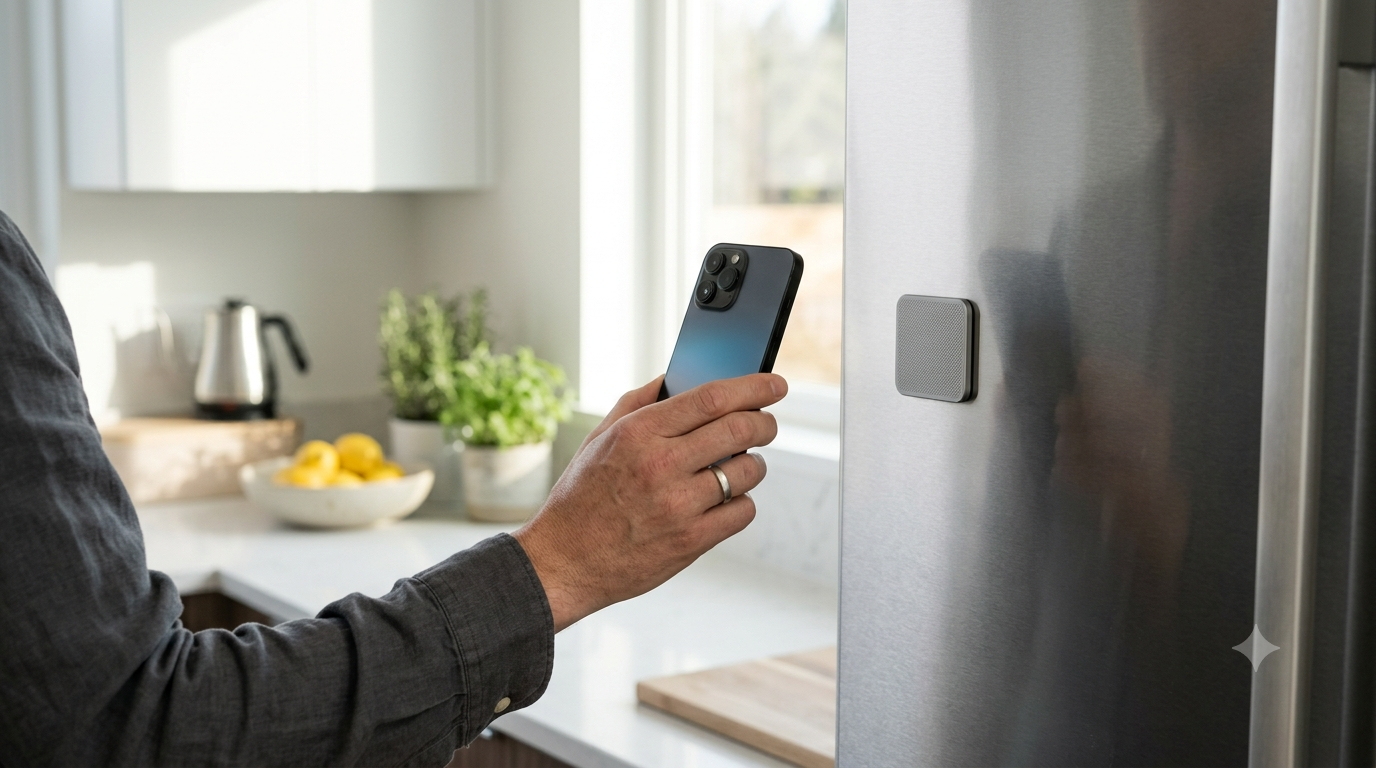
This is the exact pattern ComfortZoneCheckin was built around. Instead of relying on willpower to resist the reach, it adds a small pause right at the moment the habit usually kicks in, so you get a real second to choose something else. That’s a useful backup. But the list below is the faster fix: having a specific, doable idea ready before boredom even shows up.
Quick Takeaways
- This list sorts 40 productive things to do by time and energy, not alphabetically or randomly.
- Pick the tier that matches your actual mood, not the one that sounds most impressive.
- You don’t need to fill every idle minute. You need one good option ready before the phone habit kicks in on its own.
- If you only remember one thing from this article, remember this: boredom is a signal to switch tasks, not a problem to suppress.
Got 2 to 5 Minutes? Start Here
These are genuinely small. No motivation required, just a starting point.
- Stretch for two minutes. Shoulders, neck, hips. Your body has been in one position longer than you think.
- Drink a full glass of water. Simple, and it actually helps with the low-grade fog that makes boredom feel worse.
- Tidy one surface. Not the whole room. One desk, one counter, one nightstand.
- Reply to one message you’ve been putting off.
- Wash or put away a single dish. Momentum starts small.
- Water a plant or check on a pet. A tiny act of care resets your mood faster than scrolling does.
- Write down one thought that’s been rattling around your head. Get it out of your mind and onto paper.
- Delete ten photos you don’t need. Digital clutter counts as clutter.
- Do a one-minute breathing reset: four seconds in, four seconds hold, six seconds out, four times.
- Open a book you’ve already started and read one page. Just one. You can always keep going.

This is the tier where most people default to their phone, mostly because nothing else feels “worth it” for a short window. These are.
- Take a short walk, ideally outside. Even ten minutes changes your headspace.
- Journal for a page. Not a diary entry, just whatever’s on your mind right now.
- Read a full chapter instead of one page.
- Watch a short tutorial and actually try the skill it teaches, instead of just watching.
- Prep one component of tomorrow’s meal, like chopping vegetables or marinating something.
- Do a quick bodyweight workout: squats, push-ups, a short set of stretches.
- Review tomorrow’s schedule and flag the one task you’re avoiding.
- Call someone for a real conversation, not a quick text exchange.
- Sketch or doodle for a while. It doesn’t need to be good.
- Spend 20 minutes on a personal finance task you’ve been putting off, like checking a budget or reviewing a subscription list.
- Write a short list of three things you’re grateful for today. This one sounds small and does more than it looks like it should.
- Reorganize your workspace so tomorrow’s first task is easier to start.
Notice that this list leans on productive things to do at home that don’t require special equipment or a plan. That’s intentional. The whole point of a 15 to 30 minute window is that it’s short. Anything that needs setup time defeats the purpose.
Got an Hour or More? Time for a Real Project
Now you’ve got room to actually build something, not just fill time.
- Start or continue a hobby project you’ve been circling for weeks.
- Deep clean one room, not the whole house. Pick the one that bothers you most.
- Batch-cook something for the week ahead.
- Work through a lesson or module of a course you’ve paid for and forgotten about.
- Write something longer: a letter, a journal entry that actually goes somewhere, a first draft of anything.
- Do a proper digital cleanup: old files, duplicate photos, apps you never open.
- Plan the outline of a trip, even a small one.
- Volunteer for an hour, in person or remotely.
- Get a real workout in, not just a quick stretch.
- Learn a productive hobby from scratch, like basic woodworking, sewing, or an instrument, using a free tutorial.

Want to Do Something With Other People?
Boredom is often mild loneliness wearing a different name. If that’s part of what’s going on, solo activities won’t fully scratch the itch.
- Call a friend and actually talk, not just text back and forth.
- Plan a low-key hangout for this week. It doesn’t need to be an event.
- Cook a meal together with someone in your house.
- Go for a walk with a friend or partner instead of alone.
- Pick up a shared hobby, even something small like a puzzle or a board game.
- Offer to help a neighbor with something small.
- Organize a simple game night. No planning required beyond a text.
- Reach out to someone you’ve lost touch with, just to check in.
The One Trap That Undoes All of This
Here’s the catch nobody mentions in these lists. If you try to turn every single idle moment into a productivity project, you’ll burn out fast, and you’ll eventually rebel against the whole idea by scrolling for hours out of sheer resistance.
The Notre Dame research mentioned earlier makes a useful point here too. Alternating a boring task with a genuinely meaningful one works better than forcing constant output. Some idle time is fine. Not every one of the ways to be productive on this list needs to happen today. The goal isn’t zero boredom. It’s having a real option ready for the moments when boredom starts pulling you toward a habit you don’t actually want.
How to Actually Remember to Use This List Instead of Your Phone
A list only helps if it’s easier to reach than your phone is. In practice, that means two things.
First, pick three or four favorites from each tier right now, while you’re reading this, instead of waiting until you’re bored to decide. Decision fatigue is real, and boredom is exactly the moment your brain is least willing to choose between forty options.
Second, keep those favorites somewhere visible, a sticky note, a phone widget, whatever you’ll actually see. The idea is to shorten the gap between “I’m bored” and “here’s what I’m doing,” so the old habit loop doesn’t get a chance to run on autopilot. Do this a few times, and it turns into one of the productive habits that no longer needs much thought at all. Staying with whatever you pick also gets easier with practice, and it draws on the same attention skills covered in this piece on how to improve mental focus, if you want to go deeper on that side of things.
Conclusion
None of this is about achieving perfect productivity every idle minute of your life. It’s about having one real, doable option ready before the phone habit wins by default. Pick a tier, pick one thing, and start. The list will still be here next time.
FAQ
Start with something that needs no setup: tidy one surface, prep part of a meal, do a short workout, or read a chapter. If you’ve got a full hour, a deep clean of one room or a batch-cooking session works well too.
Stretch, drink water, reply to one message, or write down a single thought you’ve been carrying around. Small actions count. The goal is momentum, not a finished project.
Yes. Boredom is a normal signal, not a failure. Trying to suppress it or fill every second with tasks tends to backfire. Some downtime is healthy. This list is for the moments when you’d rather do something than default to your phone out of habit.
Decide in advance what you’ll do instead, since deciding in the moment rarely works once boredom hits. Keep a short list of go-to options somewhere visible, and treat the pause before you check your phone as the actual moment of choice.