

The habit loop behind impulse checking is a powerful force that we often underestimate. It’s the reason why your hand reaches for your phone automatically, even when you’re not consciously thinking about it. This habit loop consists of three key components: the cue, the routine, and the reward. This model comes from behavioral psychology research on conditioned responses, the same cognitive science that explains why habits are so resistant to willpower-only approaches and why environmental design tends to work better than intention alone.
Boredom and notifications play a significant role in triggering this habit loop. When we’re feeling bored or restless, our brains seek out stimulation, and reaching for our phones provides a quick fix. Notifications, on the other hand, act as external cues that prompt us to check our devices, feeding into the habit loop even further.
The smartphone itself is part of the problem. Modern phones are designed to be picked up, the lock screen shows notifications, the home screen surfaces app icons, and the physical weight and feel of the device in your pocket is a constant presence. Every time your phone buzzes, lights up, or simply sits face-up on a desk, it’s generating a cue. The habit loop doesn’t start with your intention. It starts with the phone’s design.
Introduction:
Simply relying on “more willpower” isn’t the solution to controlling impulse phone checking. Willpower is a finite resource that can quickly deplete, especially in the face of constant notifications and distractions. Instead, we need to proactively manage our environments and habits to reduce the triggers that lead to mindless phone usage. This is especially true in family settings. Parents managing impulse checking in themselves often find the same patterns emerging in their children, and for good reason. The habit loop doesn’t discriminate by age. When a parent reaches for their phone out of reflex at the dinner table, that behavior gets modeled. Addressing impulse checking as a household habit, not just a personal one, tends to produce more lasting change for everyone involved.
By leveraging technology to our advantage, we can use apps that help us control impulse phone checking. These apps are designed to track our phone usage, set limits on screen time, and provide reminders to take breaks. By incorporating these tools into our daily routines, we can break the habit loop of impulse checking and regain control over our smartphone usage habits.
48-hour block
What to do in the first 48 hours
- Hour 1: Mute notifications: Keep only calls and messages from real people.
- Hour 2: Name your trigger: Is it reflex tapping, work interruptions, or boredom? That decides which kind of app to try below.
- Hour 3: Install one app and set one rule: Use a pause app like One Sec for reflex taps, a blocker like Freedom for work, or Forest if motivation is the problem.
- Day 1: Change the phone itself: Keep it face down or in another room for your first focus block, and try grayscale mode.
- Day 2: Read your screen time report: Find the app you opened most and tighten that one limit.
When it comes to controlling impulsive phone checking, incorporating apps that introduce friction before accessing social media can be highly beneficial. These apps are designed to disrupt the habitual cycle of mindlessly opening social media platforms. By adding waiting times and pauses, they encourage users to pause and think before engaging in impulsive tapping.
One Sec – Forces a pause before apps open
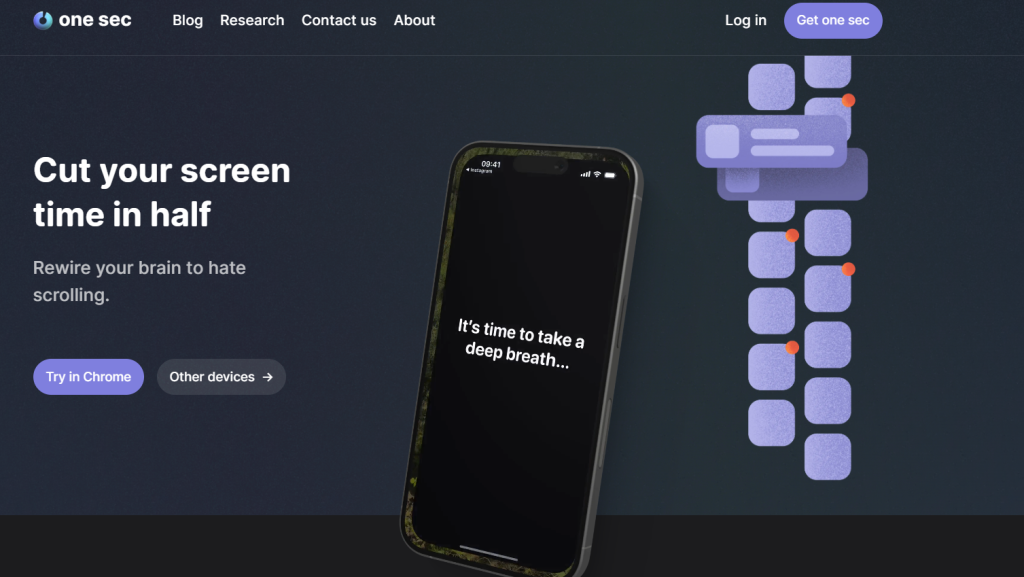
One Sec is an app that enforces a one-second delay before opening any social media application. This seemingly insignificant delay can make a significant difference in curtailing impulsive behavior. By introducing this brief pause, users are prompted to question their actions and reconsider whether they truly need to access social media at that moment.
ScreenZen – Adds waiting time and limits to reduce impulsive tapping
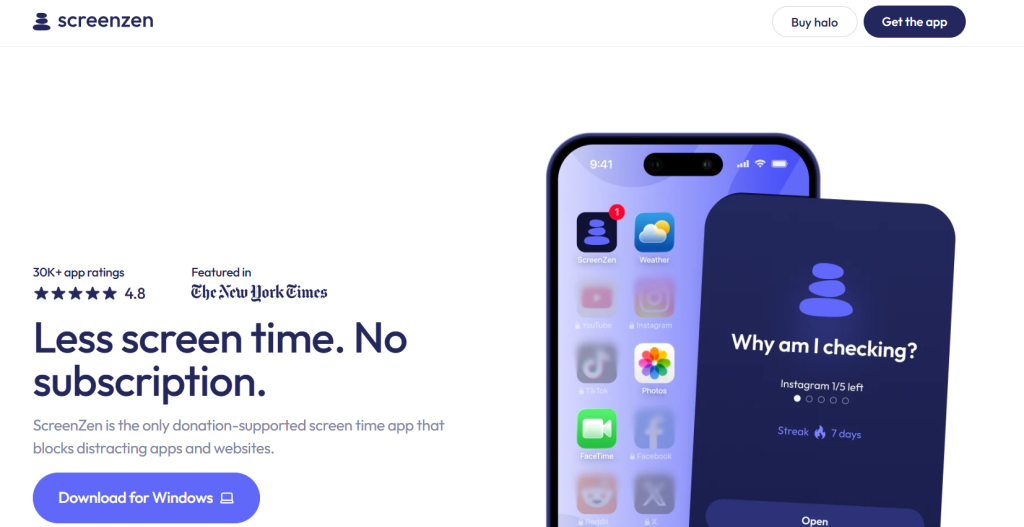
ScreenZen takes a different approach by not only adding waiting time but also imposing limits on social media usage. By setting predefined time limits for social media apps, users are forced to confront their usage patterns and make conscious decisions about how they spend their time on these platforms. This added friction discourages mindless scrolling and promotes more mindful interactions with social media.
By incorporating apps like One Sec and ScreenZen into your digital routine, you can effectively introduce friction that disrupts impulsive phone checking habits. These tools empower you to take control of your social media usage and cultivate a healthier relationship with your digital devices.
Consider exploring a variety of apps that help you control impulse phone checking to find the ones that best suit your needs and preferences. Experiment with different tools and strategies to discover what works best for you in curbing impulsive behavior and fostering a more intentional approach to using social media.
Apps That Block Distractions During Focus Time:
When it comes to controlling impulse phone checking, there are several effective apps available that can help you stay focused and productive. Let’s explore two of the top apps that block distractions during focus time.
Freedom

This app is a game-changer when it comes to staying focused. It allows you to block distracting apps and websites across all your devices. With Freedom, you can create customized blocklists to ensure that you are not tempted to check your phone unnecessarily during important work hours.
Opal

Another fantastic app for preventing repetitive checking is Opal. It helps you stay on track by creating strict focus sessions. By setting specific time intervals for focused work, Opal encourages you to avoid constant phone distractions and maintain a productive workflow.
By incorporating these apps into your daily routine, you can effectively combat the urge to constantly check your phone. With features designed to block distractions and enhance focus, apps like Freedom and Opal empower you to take control of your time and maximize productivity.
Apps That Make Focus More Rewarding Than Scrolling:
In a world filled with distractions, finding ways to stay focused can be a challenge. However, with the right tools, you can turn your focus time into a rewarding experience. Two such apps that are designed to make focus more rewarding than mindless scrolling are Forest and Flipd.
Forest
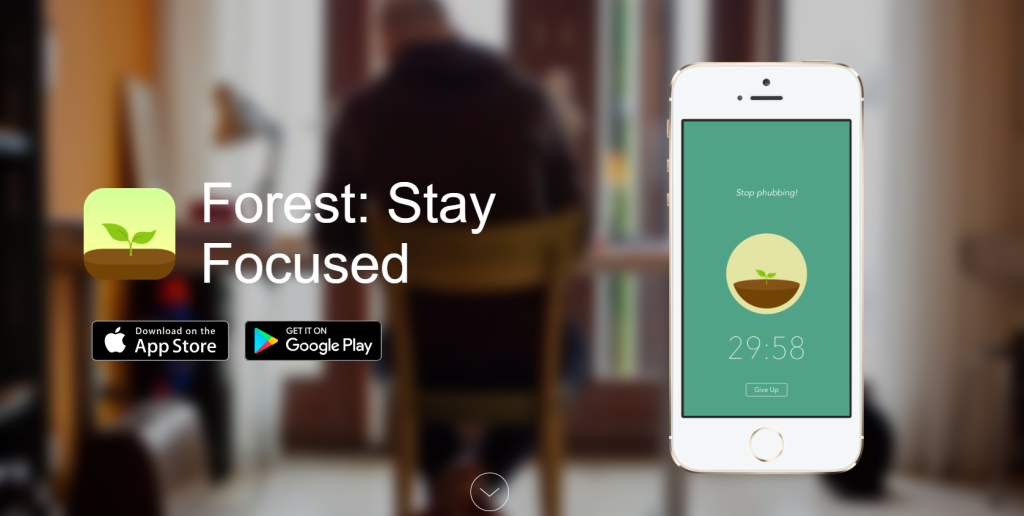
Forest is an app that gamifies focus by allowing users to grow trees during work sessions. By setting a timer for your focus session, a virtual tree starts to grow. If you leave the app before the timer ends, your tree dies. This simple gamification technique encourages users to stay focused and resist the temptation of checking their phones.
Flipd
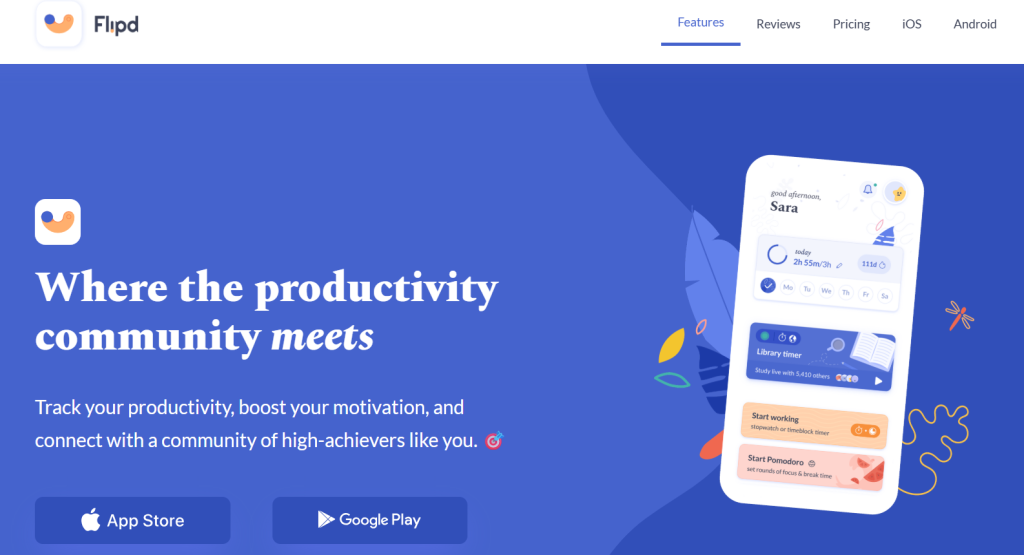
On the other hand, Flipd is an app that encourages structured focus blocks for study or work. Users can set specific time blocks during which they want to be focused. During these blocks, the app restricts access to distracting apps and websites, helping users stay on track and be more productive.
Both Forest and Flipd provide a fun and interactive way to enhance focus and productivity. By turning focus time into a rewarding experience, these apps help users break free from the habit of impulsively checking their phones and instead channel their energy into meaningful work.
Apps That Help You Understand Your Phone Habits:
When it comes to controlling impulse phone checking, utilizing apps that help you understand your phone habits can be a game-changer. These apps not only track your phone usage patterns but also assist in setting daily limits to ensure you stay focused throughout your day.
Stay Focused
One such app that stands out in this regard is “Stay Focused.” This app not only tracks your usage patterns but also enables you to set daily limits on your phone usage. By providing insights into how much time you spend on different apps or activities on your phone, Stay Focused empowers you to take control of your phone habits.
Understanding your phone habits is the first step towards curbing impulse phone checking. By using apps like Stay Focused, you can gain valuable insights into where your time on the phone is being spent the most. This awareness can help you make informed decisions about setting limits and boundaries for healthier phone usage.
In a world where smartphones have become an integral part of our daily lives, managing phone habits is crucial for maintaining productivity and overall well-being. With the help of apps like Stay Focused, you can take charge of your phone usage, stay focused on your tasks, and reduce the tendency to constantly check your phone impulsively.
By incorporating these apps into your daily routine, you can gradually develop healthier phone habits and achieve a better balance between technology usage and real-life interactions. Stay Focused and similar apps serve as valuable tools in helping you understand your phone habits and ultimately take control of your digital well-being.
Choosing the Right Approach to Stop Impulse Checking:
When it comes to controlling impulse phone checking, it’s essential to choose the right approach based on your specific challenges and habits.
If you struggle with reflex tapping → friction apps help
If reflex tapping is your main struggle, friction apps can be incredibly helpful. These apps create hurdles or delays when you try to access certain applications, forcing you to pause and reconsider your actions. By introducing this friction, you can break the automatic impulse to mindlessly check your phone.
If distractions interrupt work → blocking apps works better
On the other hand, if distractions frequently interrupt your work and lead to impulsive phone checking, blocking apps may be more effective. These tools allow you to block distracting websites or apps during specific times or when you need to focus, helping you stay on track without succumbing to the temptation of checking your phone unnecessarily.
If motivation is the problem → gamified tools help
For those who find that a lack of motivation contributes to their impulse checking behavior, gamified tools can offer a solution. These apps leverage game-like elements such as challenges, rewards, and progress tracking to make the process of reducing phone checking more engaging and enjoyable. By turning self-control into a game, you can boost your motivation and make the journey towards healthier phone habits more sustainable.
By understanding your unique triggers and tendencies when it comes to impulse phone checking, you can select the most suitable approach to address this behavior effectively. Whether you need to introduce friction, block distractions, or gamify the process, there are various apps available to support you on your journey towards greater mindfulness and productivity.
One often-overlooked step: adjust the phone itself before reaching for an app. Turning your smartphone face down, switching to grayscale display mode, or enabling Do Not Disturb during focus windows are hardware-level changes that reduce the visual pull of the device before any app is involved. These changes cost nothing and take under a minute to set up.
How to get started in under 10 minutes:
1. Identify your biggest trigger: boredom, notifications, or reflex tapping between tasks.
2. Pick one app from the relevant category above (friction, blocking, or gamified).
3. Install it and configure the minimum viable setting: one blocked app or one focus session.
4. Put your phone face down or in another room during your first focus window.
5. After one week, check your screen time report and adjust based on what you find.
Conclusion:
It’s about making usage intentional
In a world where our phones have become an extension of ourselves, controlling impulse phone checking has become crucial for our productivity and well-being. The goal isn’t to eliminate your phone but to make your usage intentional. By incorporating apps designed to help you manage your screen time, you can take significant steps towards reducing mindless scrolling and checking habits.
Small barriers can dramatically reduce checking habits
These apps serve as small barriers that can have a profound impact on your phone usage patterns. They provide reminders, track your screen time, and even offer incentives to limit your phone usage. By creating these barriers, you can make it more challenging to succumb to the temptation of constantly reaching for your phone.
With the help of these apps, you can regain control over your digital habits and ensure that your phone usage aligns with your priorities. By making your usage intentional, you can free up valuable time for activities that truly matter to you, whether it’s spending quality time with loved ones, pursuing a hobby, or simply relaxing without constant digital distractions.
If you’ve tried to cut back on impulse checking before and it didn’t stick, that’s not a character flaw, it’s what happens when the approach doesn’t match the actual trigger. Most people who successfully change this habit don’t do it through resolve alone. They change one small condition, notice the difference, and build from there. That’s available to you right now, with whatever app or adjustment you choose to start with today.
Frequently Asked Questions
Impulse phone checking apps are designed to help users reduce the habit of constantly checking their phones by providing tools and features that promote mindfulness and intentional phone usage.
These apps typically offer features like screen time tracking, notification management, and digital detox challenges to help users become more aware of their phone usage habits and make conscious decisions about when and how to use their devices.
While the effectiveness of these apps may vary from person to person, many users have reported positive results in terms of reducing screen time, improving focus, and decreasing smartphone addiction.
Yes, anyone who feels they are spending too much time on their phones or struggling to disconnect from digital devices can benefit from using impulse phone checking apps to regain control over their screen time and establish healthier phone habits.
Some impulse phone checking apps offer free versions with limited features, while others may require a one-time purchase or a subscription to access premium features and content.
To find the best app that suits your needs and preferences, consider factors such as your goals for reducing phone usage, preferred features, user interface design, and reviews from other users before making a decision.